



A control panel only works as well as the person standing in front of it. In a heat treat facility, that person might be running the same furnace for fifteen years or might be three weeks into the job, and the panel has to work for both of them. Operator-friendly control panel design means the equipment adapts to whoever's running it, not the other way around.
Recent Posts
Obsolete parts are operational risks long before they become failed parts. A legacy PLC can run a line reliably for years, yet the facility may still be one component failure away from an extended shutdown. The danger isn’t age by itself. It is reaching a failure without a supported replacement, a verified spare, or the software and documentation needed to restore the process.
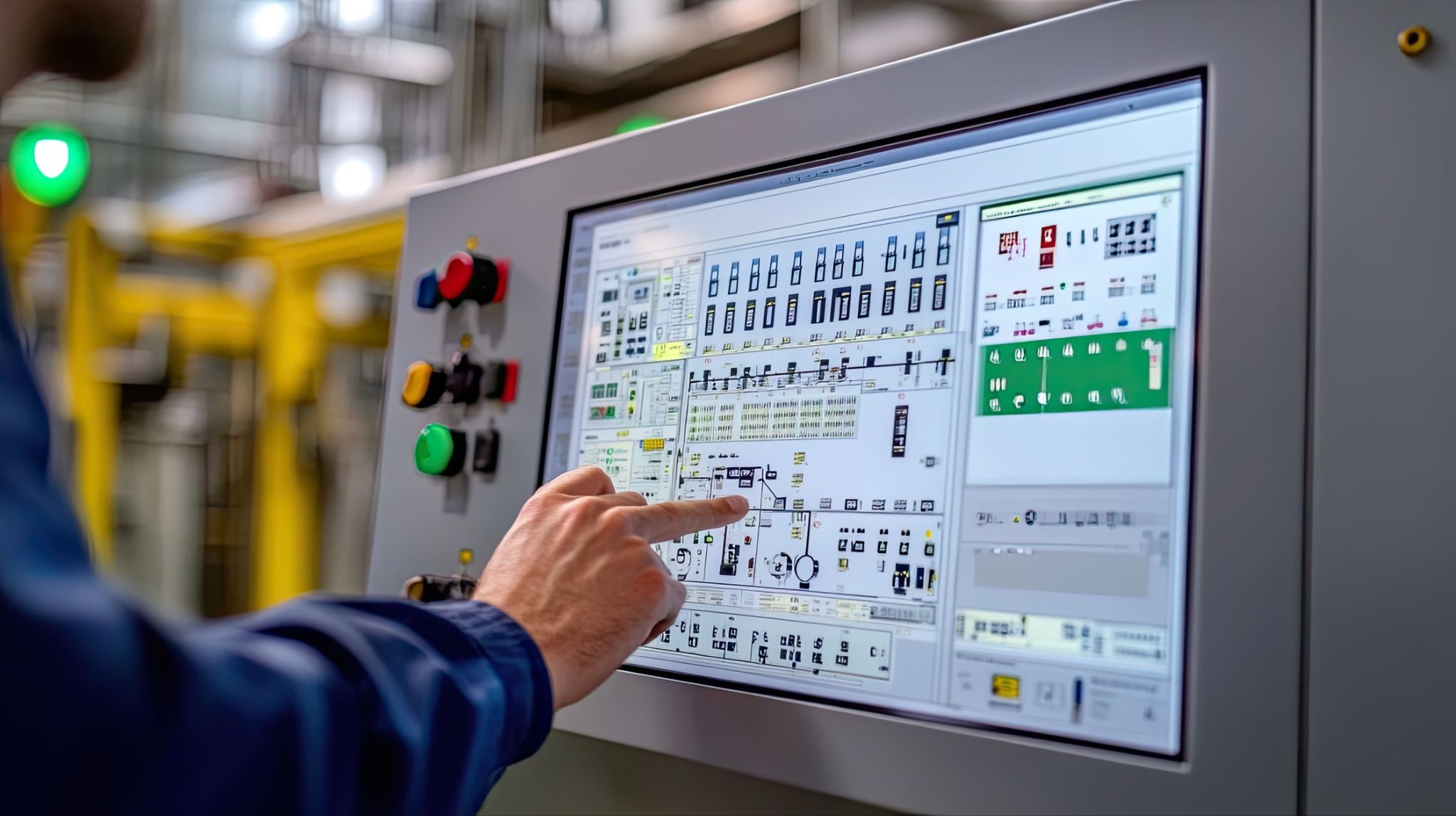
If your facility runs a SCADA system today, there's a good chance it started as a checkbox: something you installed to pass a Nadcap audit or satisfy a customer's AMS2750 requirement. That's a fair starting point, but it undersells what the system can actually do.
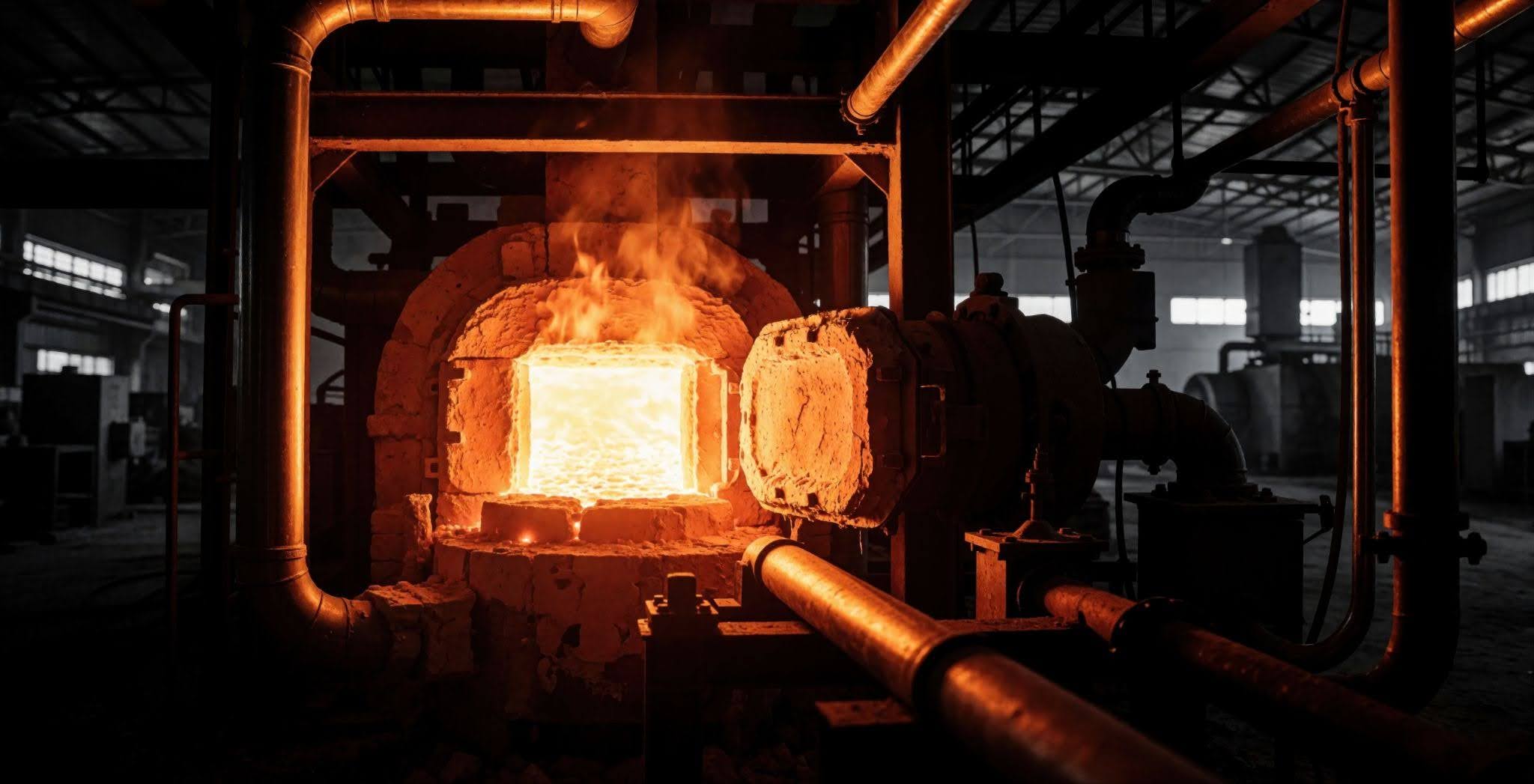
Aging equipment that still runs isn't the same as aging equipment a facility can depend on. Most manufacturers keep operating older thermal processing systems for a simple reason: nothing has failed yet. That logic holds up right up until it doesn't, and the gap between those two moments is where the real cost of delay lives.